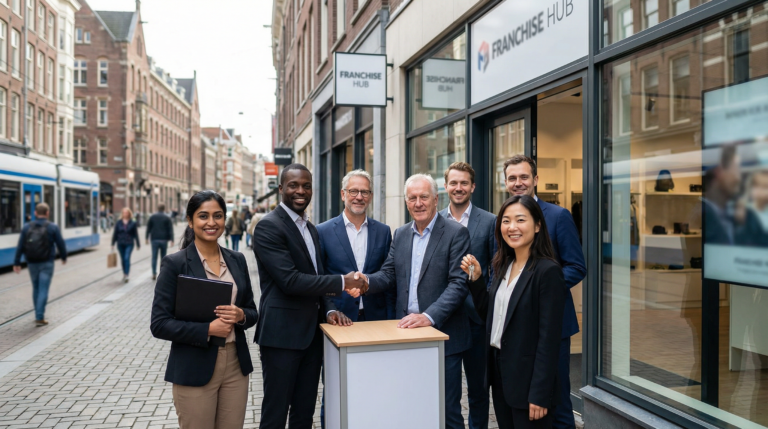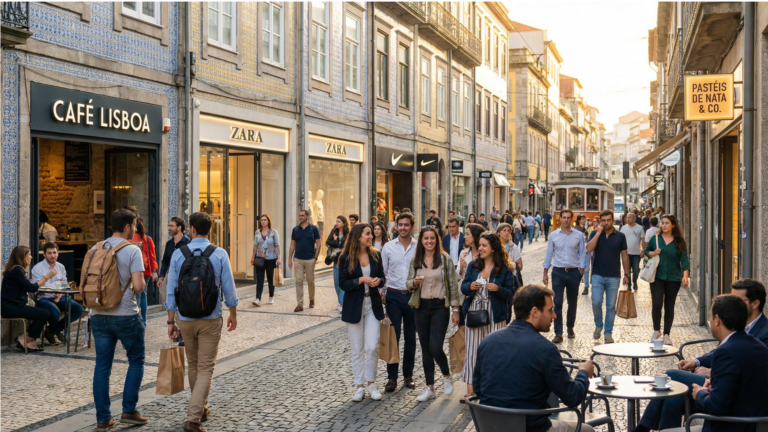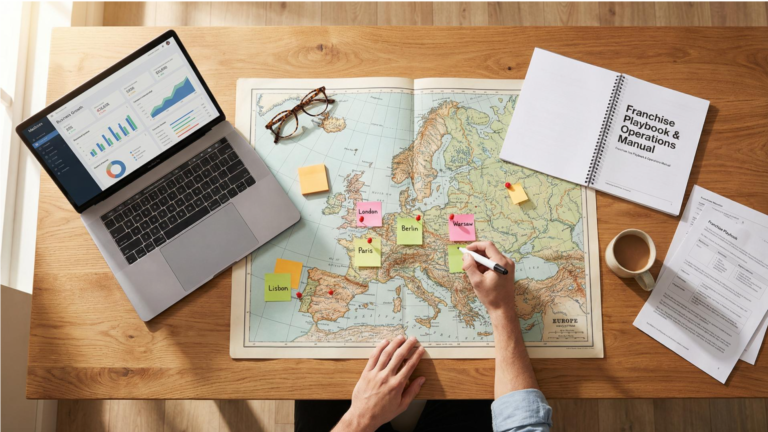
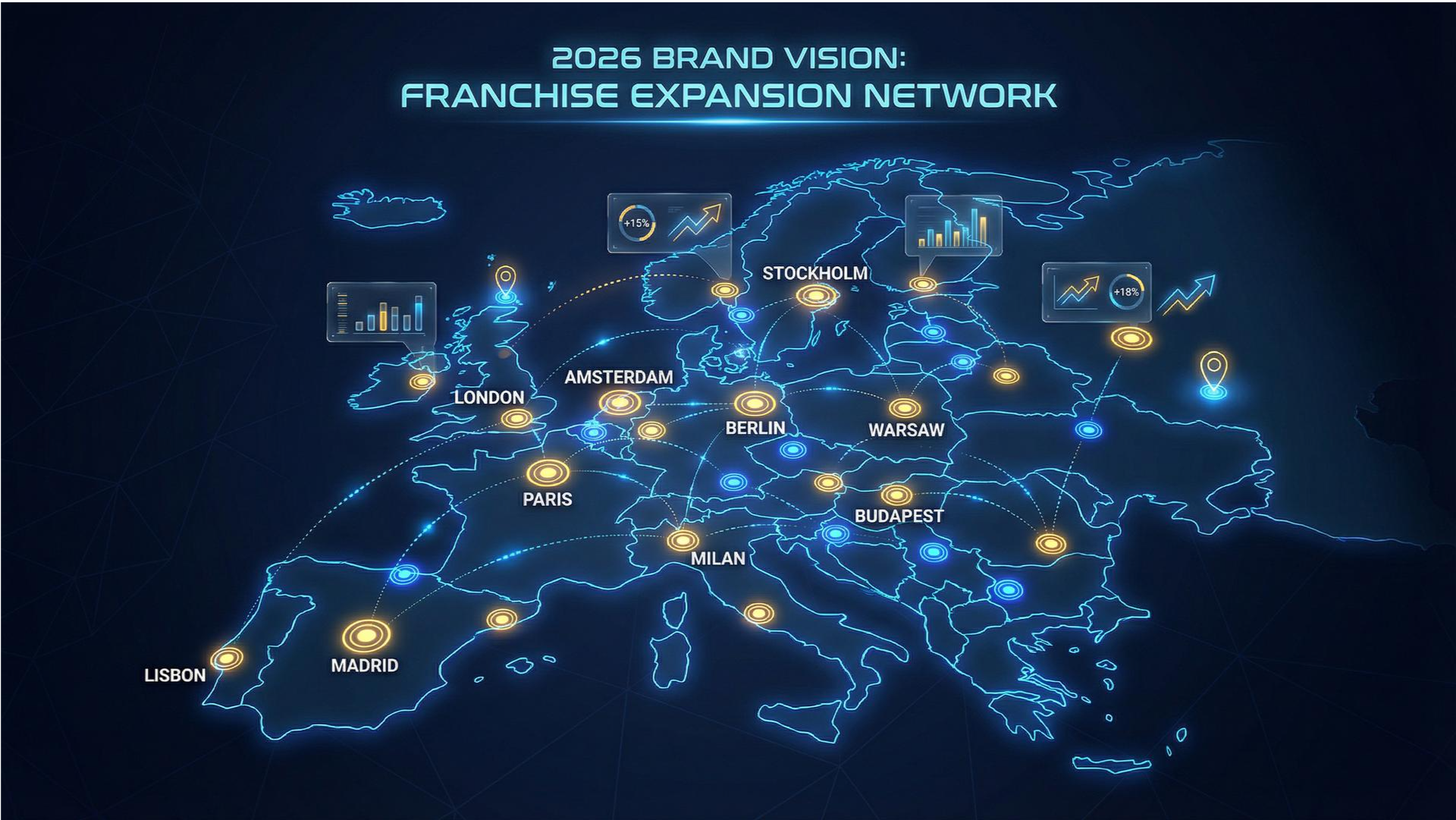
Building a pan European franchise brand starts with getting the fundamentals right at home. Maybe you have already built a strong local brand, a bustling café, a popular fitness studio, a distinctive retail concept, or a thriving service business. Now you are looking beyond your home market and asking what it really takes to scale across borders. Franchising can be the vehicle that transforms a successful local operation into a consistent, scalable, and trusted brand across Europe. The good news? Franchising in Europe is booming – it contributes over €300 billion to the economy and 2 million+ jobs annually[1] – and successful brands are writing a new playbook for international growth. In this guide, we’ll explore what “success” truly looks like for a pan-European franchise brand in 2026. We’ll cover the systems and team structures behind thriving franchise operations, how top brands keep their branding consistent yet locally resonant, the role of technology in unifying far-flung units, and how to manage franchise partners and regional strategies. Along the way, we’ll highlight current best practices, trend data, and mini case studies of brands leading the way. Let’s dive in.
The 2026 Pan-European Franchise Landscape: Big Opportunities, Real Challenges
Before we get into the how-to’s, it’s important to understand the landscape. Europe in 2026 is one of the world’s most dynamic franchise markets. Western Europe’s major economies (UK, France, Germany, Spain, Italy) have mature franchise ecosystems and clear legal frameworks, while Eastern Europe (Poland, Czech Republic, Hungary, etc.) offers high-growth opportunities with less saturation[2]. Southern Europe is rebounding in sectors like hospitality, retail, and fitness, and Northern Europe’s tech-savvy, high-purchase-power markets are fertile ground for innovative concepts[3]. Overall, the European franchise sector is growing ~4–5% annually[4], fueled by post-pandemic entrepreneurship, demand for “turnkey” businesses, and consumers’ appetite for new brands.
What does a successful pan-European franchise look like in this context? In 2026, it means being present (and profitable) in multiple countries, each with its unique consumer habits and regulations. It means having a core operating system that keeps the brand consistent, while allowing local flexibility. It means leveraging data and technology to make smart expansion moves. It means building a team and partner network that can execute the brand vision across languages and cultures. And importantly, it means doing all this with an eye on sustainability, quality, and innovation, which European consumers particularly value[5].
In the sections below, we break down the key components of pan-European franchise success – from the infrastructure you need in place (systems, tech, team) to the way you approach partners and markets. Each section also provides actionable takeaways to help you apply these insights to your own expansion strategy.
Robust Systems and Processes: The Franchise Backbone
Behind every thriving multi-country franchise is a rock-solid foundation of systems and processes. As franchise veteran Chris Conner (President of Franchise Marketing Systems) puts it, “Stable franchise growth isn’t about how fast you can expand, it’s about how strong your foundation is.”[6] In practice, that means documented, repeatable systems that ensure each new franchise location operates just like the original successful unit (with appropriate tweaks for local market needs).
Key elements of robust franchise systems include:
- Comprehensive Operations Manuals: Top franchisors record every aspect of the business model – from daily opening checklists to customer service protocols – in an operations manual. This living document acts as a blueprint so that any franchisee, in any country, can replicate the success formula with minimal guesswork[7]. Clear brand guidelines are part of this, covering everything from product/service standards to the look-and-feel of the locations. Consistency is king when you’re scaling internationally.
- Training Programs (Initial and Ongoing): A world-class training system is non-negotiable. In 2026, successful franchise brands offer multilingual training modules, e-learning platforms, and hands-on training at flagship stores. All new European franchisees and their staff should be onboarded to the brand’s values, standards, and systems through a centralized training program[8]. Beyond the launch, continuing education (refresher courses, webinars, update bulletins) helps everyone stay aligned as the brand or market conditions evolve[9].
- Quality Control & Support Mechanisms: To maintain excellence across borders, leading franchises implement regular audits, mystery shopper programs, and KPI tracking. They also bake compliance checkpoints into franchise agreements[10][11]. In a pan-European operation, it’s common to schedule routine field visits or virtual check-ins with each franchise unit. These systems quickly flag issues (say, a dip in customer satisfaction in one country) so the franchisor can support that franchisee. As one expert quipped, you want to “inspect what you expect” – trust but verify that standards are upheld everywhere.
Actionable Takeaways – Strengthening Your Franchise Foundation
- Document Everything: Create a detailed operations manual and update it continuously. Make it accessible online for all franchisees (consider a digital platform)[12]. This should cover operations, brand, and customer experience standards.
- Invest in Training: Develop a training curriculum that can be delivered both in-person and via digital channels. Include cultural training if expanding across countries (what works in one market may need tweaking in another).
- Implement KPIs and Audits: Define key performance indicators (KPIs) for franchise success (sales, customer feedback, compliance scores)[13]. Set up a schedule for audits or check-ins, and use tools (even simple surveys or dashboards) to monitor franchisee performance in real time.
Building the Right Team Structure: Centralized Leadership with Local Expertise
Expanding across Europe isn’t a solo show – it requires an organization structure that balances central control with local insight. In practice, successful franchisors build a core headquarters team that drives the brand vision and systems, plus regional teams or liaisons who adapt and implement that vision on the ground.
At the top, you’ll likely need a Head of International or Europe Franchise Development, someone waking up every day thinking about cross-border growth, compliance, and support. Regional managers or field support staff become crucial as you spread into multiple countries. For example, a franchisor might station a Europe Regional Director in Paris or Berlin, or assign territory managers for Western, Central, and Eastern Europe. The goal is to have “boots on the ground” – people who understand the local market nuances and can visit franchise locations regularly.
What does an effective franchise team look like in 2026? A few characteristics stand out:
- Dedicated Regional Support Teams: Top brands often create regional support teams to address local challenges effectively[14]. These teams can help new franchisees with everything from store opening to navigating local regulations. For instance, a fast-food franchise expanding in Europe might have a supply chain specialist for Europe who coordinates regional suppliers (more on supply chain later) and a training manager who can conduct training in local languages. The FMS Franchise experts note that hiring regional managers with local expertise and organizing regional franchisee meetings can dramatically improve on-the-ground execution[15].
- Multilingual and Culturally Savvy Staff: A pan-European team in 2026 is often a multilingual, multicultural group. Communication with franchisees should be in their language whenever possible – whether that means translating ops manuals or having support staff fluent in French, German, Spanish, etc. Cultural sensitivity is huge; what motivates a franchise owner in Sweden might differ from one in Italy. Smart franchisors either hire native talent or train their team in cross-cultural communication to avoid missteps.
- Clear Division of Roles: Central leadership should handle big-picture strategy (brand direction, menu or product development, major partnerships, technology platforms) and system-wide support (marketing campaigns, overarching training content). Local or regional teams (including master franchisees, if you use them) handle execution details – recruiting local franchisees or staff, local marketing execution, and feedback from the ground. This division of labor allows the franchisor to maintain control over the brand’s core while empowering local experts to adapt and implement.
Actionable Takeaways – Structuring Your Team for Europe
- Appoint a Europe Expansion Lead: Ensure someone in your leadership is directly responsible for European growth and support. This could be a VP/Director of International Franchising or similar.
- Hire or Partner Locally: Consider regional managers or master franchise partners in key regions. Their job is to act as bridges between HQ and local franchisees, translating corporate strategy into local action.
- Foster a Supportive Culture: Communicate to franchisees that you’re with them for the long haul. Encourage a culture where franchisees feel comfortable reaching out for help. Many top franchisors hold annual European franchisee conferences or have online forums to share best practices – building a sense of community across countries.
Branding Consistency with Local Appeal
Your brand is your franchise’s DNA – and when you go pan-European, protecting that DNA while letting it evolve locally is a hallmark of success. European consumers are known to value authenticity, quality, and cultural relevance in brands[5]. The challenge (and opportunity) for franchisors is to maintain a consistent brand identity across all countries, without coming off as an out-of-touch foreign import in any given market.
Here’s how top franchises strike that balance in 2026:
- Unified Brand Message and Visuals: Successful franchises define their core brand elements clearly – logo usage, store design guidelines, brand voice, mission statement – and apply them everywhere. Whether a customer steps into your outlet in Paris or Prague, they should feel the same brand essence. Tools like digital brand asset libraries help ensure every country’s marketing materials align with the global standard. Brand integrity is non-negotiable: one bad-looking location or off-brand ad can dilute brand equity across the region. Franchisors often require approval for local marketing campaigns or modifications to ensure consistency.
- Local Menu and Product Customization: At the same time, localization is a competitive advantage. European franchises often allow a portion of the menu or service offering to be tailored to local tastes. For instance, McDonald’s Europe empowers local teams to adapt menu items to local tastes – offering things like the Croque McDo (a twist on France’s croque monsieur) with macarons at McCafés in France, Pistachio McFlurries in Italy, or even Pastel de Nata pastries in Portugal[16][17]. These regional favorites sit alongside the core Big Mac or McNuggets that are universal. This strategy shows respect for local culture and often generates buzz. The key is to keep these adaptations within brand guidelines (e.g., only using approved ingredients, maintaining quality standards). Empowering local innovation can keep the brand relevant and loved in each country[18][19].
- Cultural Sensitivity and Values: Branding isn’t just about logos and products – it’s also about values and tone. Europeans tend to respond well to brands that embrace sustainability, local community engagement, and authenticity[5]. Successful franchises in 2026 weave these values into their brand narrative. For example, a fitness franchise might highlight local instructors and success stories in each country, or a food franchise might source ingredients from local farmers where possible. (McDonald’s France, for example, works with 28,000 local farmers to source ingredients, underlining a commitment to local quality[20].) Aligning with European values (like eco-friendliness or work-life balance) in your branding can set you apart from competitors who appear too “corporate” or generic.
Actionable Takeaways – Building a Beloved Pan-European Brand
- Establish Brand Guidelines: Create a brand book that covers design, tone, and experience standards. Share it with all franchisees. This helps new markets reproduce the brand correctly from day one.
- Allow Local Input: Solicit ideas from local franchisees for product or marketing tweaks – they often have the best insight into their customers. Just set boundaries (e.g., require approval or test limited-time offers first). A bit of localization can significantly boost sales and customer affinity.
- Lean into Shared Values: Highlight your brand’s commitment to quality, sustainability, or community in Europe. For instance, if your coffee franchise uses fair-trade beans or your cleaning franchise uses eco-friendly products, make that a selling point across European marketing.
Technology as a Growth Engine: Unifying Operations in Real Time
In 2026, technology is the glue holding many pan-European franchise networks together. The right tech tools can give a franchisor real-time visibility into dozens of locations, streamline communication across time zones, and ensure consistency even when leadership can’t physically visit every store. From robust franchise management software to AI-driven analytics, successful brands treat tech as a core part of their franchise system, not an afterthought.
Here are the tech best practices driving franchise success across Europe:
- Franchise Management & Data Systems: Leading franchisors deploy franchise management software platforms that all franchisees use for key functions – point-of-sale (POS), inventory management, employee scheduling, customer loyalty programs, etc. These cloud-based systems enable real-time data sharing and standardized reporting across all locations[21]. For example, a retail franchise HQ can instantly see yesterday’s sales at every European outlet, or a food franchise can monitor inventory levels to coordinate supply. This data not only helps in maintaining consistency but also in identifying trends (spotting a star product in one country that could be introduced elsewhere, for instance). As one source notes, such systems provide “streamlined reporting for sales, inventory, and customer feedback”, which is invaluable for a multi-unit, multi-country operation[22].
- Communication & Collaboration Tools: Gone are the days of isolated franchisees. Today’s top franchise networks foster constant communication using tools like Slack/Microsoft Teams (for group discussions and quick help), video conferencing (for trainings, quarterly regional check-ins), and cloud document sharing[23]. A franchisor might have a Europe-wide Slack channel for franchise owners to share tips, or hold monthly Zoom town halls with all international franchisees. This keeps everyone engaged and aligned. In 2026, time and distance are no longer barriers – a franchisor can run a virtual meeting with franchise owners from 10 different countries at once, ensuring that everyone hears the same message.
- Data-Driven Expansion & Analytics: One of the most game-changing tech trends is using data analytics and AI for expansion planning. Instead of expanding on gut feel, franchisors now analyze demographic and market data to choose new locations wisely. “Smart franchise growth starts with clarity. When brands rely on data instead of assumptions, they expand with confidence and protect the business they’ve worked so hard to build,” says Chris Conner[24]. Predictive analytics can highlight, for example, that a secondary city in a given country has higher demand and less competition than a primary city[25]. By crunching data on population, income, foot traffic, competition, etc., franchisors identify high-potential areas and avoid markets that look good on paper but are saturated[26][27]. The result: more efficient growth and fewer failed franchises.
- Customer-Facing Tech and Innovation: Don’t forget the technology that your franchisees use to serve customers. European consumers in 2026 are very digital-forward. Successful franchises embrace things like online ordering and delivery apps, mobile loyalty programs, and cashless payments uniformly across markets. Domino’s Pizza, for instance, attributes much of its international success to its technology pipeline – from its online ordering system to delivery tracking – ensuring a seamless experience everywhere[28]. In the fitness sector, franchises might use connected apps to let members access any gym globally (as Anytime Fitness does, where a member can use a key-fob at 5,600+ clubs in 49 countries[29][30]). The bottom line: tech-enabled convenience and consistency win customers, and franchise systems that invest in these areas see higher customer satisfaction and loyalty across all regions.
Actionable Takeaways – Leveraging Tech for Your Franchise
- Adopt a Unified Platform: Choose a franchise management software and require all franchisees to use it. This could be a custom solution or a franchise ERP/CRM system. It will become your single source of truth for performance data and operational control.
- Embrace Analytics: Start collecting and analyzing data for expansion. Even simple analyses (e.g., mapping inquiries or sales by location) can guide where you should open next or which underperforming market needs attention. Consider working with franchise consultants or analytics services if you lack in-house capabilities[31][32].
- Standardize Customer Tech: Ensure a consistent customer-tech experience in every country. If you have an app, make it available (and localized) in all your markets. If you’re in retail or food, consider partnering with European delivery platforms or payment providers to make sure customers everywhere can engage with your brand easily.
Managing Franchise Partners Across Borders: Relationships Built on Support and Accountability
Franchisees (your local partners) are the ones in the trenches bringing your brand to life in each market. Managing those relationships well is a defining factor of franchise success. In a pan-European context, your franchisees might range from an owner-operator running one unit in a small country, to a master franchisee overseeing 50 units in a large market. The best franchisors act as true partners and coaches to their franchisees, aligning incentives and providing world-class support.
Here’s what effective franchise partner management looks like in 2026:
- Selecting the Right Franchisees: It all starts with choosing franchise partners who align with your brand’s values and have the capability to scale. Top franchisors are picky – they look for individuals or organizations with sufficient capital, business experience, and a passion for the concept. In Europe, that might mean finding a partner who understands not just one country but possibly a region (for area development deals). Many franchisors use profile assessments and rigorous interviews to vet candidates. A great franchisee in one country can become a flagship case study for others – whereas a wrong-fit franchisee can tarnish the brand locally. So, invest time up front to get it right.
- Orientation and Ongoing Support: Once onboard, franchisees need a lot of handholding early on and consistent support thereafter. Successful franchisors assign a franchise business coach or support manager to each franchisee (or each region). This person checks in regularly, helps franchisees interpret their KPI reports, and is the first call if something goes wrong. As mentioned earlier, dedicated support teams (possibly region-based) can tackle issues quickly[14]. Whether it’s helping a German franchisee run a marketing event or troubleshooting a supply chain issue for a franchisee in Greece, a responsive support system builds trust.
- Peer Network and Best Practice Sharing: Strong franchise systems treat franchisees as part of one family, encouraging them to support each other. In Europe, some franchisors create regional franchisee councils or Slack groups, so owners can share ideas or voice concerns collectively. This not only spreads best practices (e.g., a successful promotion one franchisee tried) but also gives franchisees a voice in the system’s evolution. Remember, your franchise partners are entrepreneurs too – listening to their insights can spark innovation system-wide.
- Maintaining High Standards (Accountability): Partner management isn’t just cheerleading – it also involves holding franchisees accountable to the brand’s standards. The most respected franchisors are fair but firm: they use those audits, customer feedback, and metrics to call out issues and insist on improvement. Often, it’s a collaborative approach: if a location is struggling, the franchisor steps in with extra training or troubleshooting to help it get back on track. But if a franchisee consistently flouts rules or underperforms, tough decisions (non-renewal, termination) sometimes must be made for the greater brand good. Top brands are unafraid to protect their reputation by ensuring every franchisee is “rowing in the same direction.”
Notably, a franchise relationship is often described as “being in business for yourself, but not by yourself.” That phrase, echoed by RE/MAX’s franchise leadership[33], captures the ideal dynamic: the franchisee enjoys entrepreneurship and local ownership, while the franchisor provides the playbook, support, and a reliable model so the owner is never alone.
Actionable Takeaways – Excelling at Franchise Partner Management
- Onboard Thoroughly: Treat new European franchisees like co-founders of your brand in their area. Spend time on their training and grand opening. A strong start can set the tone for long-term success.
- Build Two-Way Communication: Establish channels for regular communication – monthly calls, an online group, and perhaps a quarterly newsletter or webinar exclusively for franchise partners. Keep them informed of company news, and solicit their input on decisions that affect the network.
- Recognize and Support: Celebrate high-performing franchisees (perhaps with an awards program or spotlight stories) and proactively assist those who are lagging. Create an environment of shared success, where franchisees feel supported to achieve their business goals as part of your brand.
Strategic Regional Expansion: Planning Your European Rollout Like a Pro
Expanding across Europe isn’t a random landgrab – it requires a strategic rollout plan that considers which markets to enter, in what order, and how to enter each one. The year 2026 has shown that brands who expand thoughtfully tend to outpace those who expand haphazardly. Here’s how to craft a winning regional strategy:
- Thorough Market Research for Each Country: Before entering any new country, do your homework. This means studying local consumer behaviors, sizing up the competition, understanding regulatory requirements (franchise laws differ by country), and assessing the cost of doing business. Effective franchisors often conduct feasibility studies or even test the waters with pop-ups or pilot corporate stores. For instance, you might discover through research that your baking franchise concept is in high demand in the Nordics but faces an uphill battle in a market that prefers savory snacks. Use data (and perhaps local market experts) to drive your decisions[34]. Skipping this step can lead to expensive failures.
- Picking Entry Strategies: Master, Area Developer, or Direct? Europe’s integrated economy makes multi-country growth tempting, but you need the right franchising model for each market[35]. There are three common approaches:
- Master Franchising: You sell the rights of a country (or region) to a master franchisee, who then opens sub-franchises. This can lead to rapid expansion leveraging local capital and know-how. Many U.S. brands use master franchisees in Europe – e.g., an American restaurant chain might grant a master franchise for Spain to a local operator who then opens dozens of outlets. Pro: Local partner invests heavily and knows the market. Con: You relinquish some control and share revenue.
- Area Development Agreements: Here, you grant a franchisee the right to open a certain number of units themselves in a territory, but they don’t sub-franchise. For example, you might have one franchisee agree to open 10 units across the Benelux countries. This ensures faster growth with one committed partner and can work well in mature markets[36].
- Direct Franchising: You might decide to franchise unit by unit yourself, especially in nearby or key markets like France or Germany[37]. This gives you more direct oversight of each franchisee. It can be slower and more hands-on, but some brands prefer this in high-profile countries to maintain control.
Often, a mix is used – maybe direct franchising in core markets and master franchisees for farther or smaller markets. The entry strategy should fit the market’s characteristics and your bandwidth for support.
- Phased Rollout & Focus: Resist the urge to tackle too many countries at once. The best practice is to pick a few key markets, nail the model there, then use those as springboards. For instance, a franchise might start in the UK and Germany first (large economies with franchise-friendly environments), then expand to second-tier markets like the Netherlands or Poland once the brand has momentum. Each market entered provides learnings for the next. Also consider geographic clustering – expanding to neighboring countries can create synergies (e.g., easier supply chain, regional marketing campaigns).
- Adaptation to Regional Regulations and Logistics: A strategic plan accounts for legal and logistical differences. Franchise laws in France or Italy (with formal disclosure requirements[38]) differ from those in, say, the UK or Nordics (more contract-based). Ensure you have legal counsel for each region to adapt your franchise agreements. Similarly, plan your supply chain: are you shipping product across borders? If so, factor in EU regulations, customs for non-EU like UK/Norway, etc. Many franchisors set up regional warehouses or source locally to reduce complexity[39]. These considerations might affect the order of expansion (for example, you might delay launching in a country with especially complex regulations until you’re ready).
- Go/No-Go and Exit Strategies: A savvy regional strategy also knows when not to push further. It’s okay to prioritize certain countries and deprioritize others if the fit isn’t right. And if a market isn’t working out after reasonable effort, successful franchisors have the courage to pull back (closing or selling units) to focus resources where they can win. Protecting the overall brand is more important than planting flags everywhere.
Actionable Takeaways – Mastering Your Expansion Plan
- Do Market-by-Market Plans: Create a mini business plan for each target country. Include consumer analysis, competition, real estate costs, and a 5-year franchise development forecast for that market. This forces strategic thinking rather than expansion by impulse.
- Leverage Local Allies: Use local market research firms, franchise associations, or consultants to get on-the-ground insights. Sometimes partnering with a local company (for joint venture or as a supplier) can accelerate learning and acceptance in a new country.
- Plan the Sequence: Map out a 3–5 year European rollout timeline. Identify “beachhead” markets (where you’ll enter first and build brand presence) and secondary markets to follow. Keep it flexible, but a roadmap helps in budgeting and resource allocation (e.g., when to hire that extra regional manager or how to stage marketing spend).
Case Studies: Brands Leading Pan-European Franchising
Nothing illustrates success like real-world examples. Let’s look at a few mini case studies of brands – both international and European-born – that have effectively scaled across Europe. These cases offer inspiration and concrete lessons for aspiring franchisors.
- McDonald’s Europe – Local Flavor, Global Scale: It’s impossible to discuss franchising without mentioning McDonald’s. The fast-food giant has over 8,500 restaurants across 30 European countries[40], but its success is not just about ubiquity – it’s about adaptation. McDonald’s runs a highly standardized operation (any franchisee, anywhere, must follow the McDonald’s operational bible and training), yet it grants just enough local flexibility to stay relevant. We saw how McDonald’s France offers the Croque McDo and macarons to reflect local tastes[41], and McDonald’s Italy co-created menu items with Italian chefs (like a Parmigiano Reggiano snack)[42][43]. These innovations are backed by serious infrastructure: McDonald’s Europe works with tens of thousands of local suppliers and employs local staff (78,000 in France alone) to ensure the brand is embedded in the community[20]. Takeaway: A strong franchise system can be both globally uniform and locally tailored. Empower your local teams to contribute to the brand story, within a well-defined framework. McDonald’s also demonstrates the importance of scale and investment – they have regional headquarters and field teams across Europe to support franchisees, showing the level of commitment needed to truly be pan-European.
- RE/MAX – A Service Brand’s European Footprint: RE/MAX, the real estate brokerage franchise, provides a great example outside of food. Originally from the U.S., RE/MAX grew via master franchising into 110+ countries by turning independent realtors into franchisees under its brand. In Europe alone, RE/MAX now boasts over 2,200 offices with 29,000+ agents[44] – making it one of Europe’s largest real estate networks. How did they do it? Local entrepreneurship with global support. RE/MAX sells regional franchise rights (often country-by-country) to regional owners who then recruit individual office franchisees. They provide extensive training (through RE/MAX University), technology (global listings platform), and marketing support, but allow each office to be independently run. The slogan often used is that RE/MAX agents are “in business for themselves, but not by themselves”[33]. A small realty office in Lisbon or Warsaw benefits from a big-brand name and referrals, yet can operate with local flair. Takeaway: For service franchises, scaling across Europe can mean building a network of professional partners rather than identical retail units. By focusing on recruiting the right people and giving them the tools to succeed, RE/MAX achieved widespread presence without huge capital investment by the parent company in physical assets. The model relies on alignment of incentives (franchisees succeed by making sales, which also boosts the franchisor). RE/MAX’s European growth also highlights the value of brand trust – consumers in many countries choose RE/MAX because they perceive it as a global, reputable brand, an edge local agencies can’t easily match.
- The Body Shop – A Homegrown Brand Goes Global: The Body Shop, founded in the UK, shows how a European brand can leverage franchising to expand across the continent and beyond. Starting with one shop in 1976, The Body Shop began franchising in 1978 and eventually grew its network to around 1,600 franchised stores in over 80 countries, alongside 1,000+ company-owned stores[45]. In Europe, it operates through 30+ head franchise partners who typically manage a country or region[45]. This structure allowed rapid international growth – by partnering with passionate local business people who believed in the brand’s ethical positioning and knew their markets. The Body Shop maintained a strong central ethos (cruelty-free, community trade ingredients, etc.) that resonated globally, while letting franchise partners handle local store operations and expansion. Recent challenges aside (the brand has faced some restructuring), its franchise model was a pioneer in global retail franchising. Takeaway: A powerful brand mission can transcend borders – The Body Shop’s focus on ethical beauty gave it a universal appeal that franchisees could rally behind in many cultures. Moreover, using master franchisees (head partners) in each region can be an effective way to spread a brand when you find like-minded partners. The Body Shop’s experience also warns that maintaining alignment is crucial; even strong brands must continually support and engage franchisees to navigate market changes.
- llaollao – A Newcomer’s Rapid European Spread: Not all success stories are decades old. llaollao, a Spanish frozen yogurt franchise founded in 2009, has quickly built a global presence across Europe, the Middle East, Asia, and the Americas[46]. With a scalable model of small stores/kiosks in high-traffic areas and a trendy product, llaollao expanded through master franchise agreements in many countries. Its strongest foothold remains in Southern Europe (Spain, Portugal, Italy) where it originated, but through regional partners it has entered markets like France, UK, and beyond. llaollao combines standardized operations (the product and store look are very consistent) with savvy location selection – targeting malls, tourist areas, and city centers. They also kept the concept simple (limited menu focused on yogurt and toppings), which made it easier to replicate quickly. Takeaway: Even a relatively small business can go pan-European in a short time with the right concept and franchising strategy. Key points include ensuring the concept travels well (frozen yogurt had global appeal), keeping operations simple for franchisees, and selecting franchise partners who can lock in prime real estate. llaollao also underscores the importance of speed to market – by moving fast in the early 2010s, they established themselves before many competitors in certain regions, capturing market share that fueled further growth.
Each of these case studies – whether a mega-brand like McDonald’s or an upstart like llaollao – highlights common themes: a strong foundation, adaptation to local markets, solid partner relationships, and a phased strategic approach. These are exactly the elements we’ve discussed throughout this article. As you craft your own expansion story, remember that today’s giants were once just ambitious startups too, and their paths can offer guidance (and cautionary lessons) for yours.
Conclusion: Think Big, Plan Smart, and Build for the Long Term
Building a pan-European franchise brand is both a strategic chess game and a test of endurance. Success in 2026 looks like having the pieces in place – the systems, team, brand, tech, and partners – so that growth is sustainable and brand-enhancing, not chaotic. It’s about being aspirational (dreaming of hundreds of units across capitals and communities) and being practical (rolling up your sleeves to write manuals, research markets, train teams, and support franchisees every day).
The reward for doing this right is huge: a network of thriving franchises spanning countries, a resilient business model diversified across markets, and the satisfaction of seeing your brand become a known and trusted name far beyond its birthplace. In an increasingly globalized economy, franchising remains one of the most powerful vehicles for expansion – it enables founders to grow faster than they ever could alone, by harnessing the capital and energy of other entrepreneurs. Nowhere is this more evident than in Europe’s integrated yet culturally rich landscape, where a great concept in one country can find enthusiastic customers thousands of kilometers away.
Finally, remember that you don’t have to navigate this journey alone. Many top franchise brands partner with experts to guide their expansion. Firms like Franchise Marketing Systems (FMS), led by Chris Conner, specialize in helping businesses strategize, launch, and scale internationally – from feasibility studies to legal docs to franchisee marketing and recruitment[47][48]. As we’ve highlighted, insight from seasoned franchise consultants can be invaluable, especially when making high-stakes decisions like choosing a master franchisee or adapting to a new country’s laws. Leveraging such expertise can accelerate your learning curve and help avoid costly mistakes.
In summary, “what success looks like” for a pan-European franchise in 2026 is a brand that is strategically growing, consistently executed, locally loved, and supported by a strong network of people and tools. It’s a beautiful thing to see a brand vision take root in multiple countries – and with the right preparation and mindset, your franchise could be the next great European expansion story told in years to come. Good luck, and buon voyage on your franchising journey across Europe!
Actionable Takeaways – Your European Expansion Checklist
- Foundation First: Ensure your operations, training, and brand guidelines are solid before rushing into new markets. A strong foundation will carry you further than quick wins[6].
- Localize Thoughtfully: Embrace cultural differences – adapt menus or services to local tastes and engage local communities, but do so without diluting your core brand identity[19].
- Support = Success: Invest in your franchisees’ success with robust training, constant communication, and responsive regional support. Happy, profitable franchise partners are the key to happy customers and a strong brand.
- Plan Your Growth: Use data and research to choose the right markets and entry strategies. It’s better to be a hit in a few countries than stretched thin in a dozen[24]. Expand in phases, learn and iterate.
- Leverage Experts and Peers: Don’t reinvent the wheel. Engage franchise consultants, tap into franchise associations, and learn from brands that have gone before. Also encourage your franchisees to learn from one another – a united franchise family is a powerful asset.
By following these principles and lessons, you’ll be well on your way to building a truly pan-European franchise brand – one that not only spans countries, but stands the test of time. Here’s to your expansion success in 2026 and beyond!
Sources
[1] [2] [3] [4] [5] [35] [36] [37] [38] [39] [47] [48] Franchising in Europe: Expanding Your Brand with Franchise Marketing Systems Europe – Franchise Marketing Systems
[6] [7] stable franchise growth | FMS Franchise
https://www.fmsfranchise.com/stable-franchise-growth-how-to-scale-without-losing-control/
[8] [9] [10] [11] [12] [13] [14] [15] [21] [22] [23] [28] [34] Managing International Growth of a Franchise Brand – Franchise Marketing Systems
https://franchiseconsultants.live/2025/06/23/managing-international-growth-of-a-franchise-brand/
[16] [17] [18] [19] [20] [41] [42] [43] McDonald’s Europe Highlights Local Flavor and Innovation Through a Tour Across France, Italy, and Portugal
[24] [25] [26] [27] [31] [32] Data-Driven Growth | FMS Franchise
https://www.fmsfranchise.com/data-driven-growth-for-smarter-franchise-location-planning/
[29] [30] Purpose Brands Announces Expansion of Anytime Fitness into Kingdom of Saudi Arabia (KSA), Welcomes Experienced Franchise Ownership Group ABFit as Master Franchisee – International Franchise Association
[33] [44] RE/MAX Grows Further – Franchising.eu – franchise opportunities in Europe
https://franchising.eu/article/115/re-max-grows-further/
[40] Local Leaders, Global Impact – Forbes
https://www.forbes.com/sites/mcdonalds/2025/06/04/local-leaders-global-impact/
[45] The Future of The Body Shop and its International Franchisee Network – Bird & Bird
[46] A global frozen yogurt franchise – Franchising.eu – franchise opportunities in Europe
https://franchising.eu/article/505/a-global-frozen-yogurt-franchise/